

What is Pediatric Care? Understanding the Heart of Child Health
People usually consider healthcare when they consider adult medical problems. Pediatric care, meaning an important component of healthcare, which holds equal importance to adult medical treatment. But what is pediatric care? We will explain the meaning and definition of pediatric care, as well as its significance in a child’s development.
What is pediatric care?
The specialized medical field of pediatric care delivers essential medical services to infants and children and adolescents who are 18 years old or younger. Pediatric care extends beyond mere medical treatment. It consists of a multi-step approach to health that includes physical, emotional, and social well-being. The doctors who work as pediatricians receive training to understand the specific requirements of developing bodies and minds.
Pediatric Care Definition
The American Academy of Pediatrics defines pediatric care as the medical specialty that provides health services to children. Pediatricians treat medical problems in children while tracking the developmental changes that children experience on their path to adulthood. Pediatric care requires medical professionals to provide immunizations and services while teaching parents about their children’s health needs
The Importance of Pediatric Care
Pediatric care exists as a fundamental requirement because of its multiple essential functions. Children need dedicated medical treatment because their bodies and minds develop at different rates from adults. A pediatrician performs developmental assessments to detect hidden delays which parents and caregivers might miss. The process needs early detection to establish successful intervention methods.
Pediatric care extends its meaning to encompass the emotional and psychological health of patients. Children face multiple difficulties, which include bullying and family problems that have negative effects on their mental well-being. Pediatricians possess training that enables them to detect emotional distress symptoms while they provide or recommend suitable treatment options.
Preventive Health in Pediatric Care
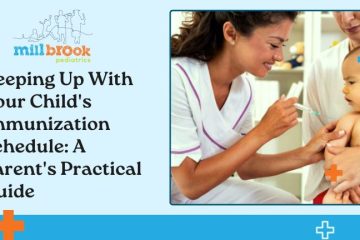
One of the cornerstones of pediatric care is preventive health. Regular check-ups, vaccinations, and screenings play an important role in a child’s health. For example, the Center for Disease Control and Prevention (CDC) recommends a series of vaccinations throughout childhood. These immunizations are crucial for dissuading serious diseases and maintaining community health.
In addition, pediatric care promotes healthy lifestyle habits early on. Pediatricians often provide guidance on nutrition, physical activity, and sleep hygiene. All of which set the foundation for a lifetime of health. Through education, parents could learn how to support their children in making healthy choices.
The Role of Parents in Pediatric Care
The essential nature of pediatric care faces multiple obstacles, which need to be addressed. Rural populations face challenges in obtaining quality healthcare, a situation exacerbated by limitations in service availability in certain locales. People who live in regions with healthcare disparities face difficulties when they try to obtain essential medical services, which include vaccinations and routine health checkups. The increasing number of children who suffer from obesity and diabetes demonstrates the urgent need for complete pediatric healthcare services, which should include both preventive care methods and lifestyle change programs.
Challenges in Pediatric Care
The medical field, which works with children, faces many obstacles that restrict its ability to provide important services. Some communities, especially those in rural regions, experience difficulties when trying to access essential healthcare services. The unequal distribution of healthcare resources creates obstacles for people who need vaccinations and essential health assessments.
The increasing number of chronic illnesses among children, including obesity and diabetes, creates a requirement for pediatric healthcare services that provide complete solutions to both health management and disease prevention activities. The medical field which specializes in treating children faces rapid changes while future developments bring new possibilities for its growth. Pediatricians now use telemedicine technology, which enables them to provide medical services to patients located in remote regions. This change will enhance service delivery by providing all children with the medical attention they need.
The Future of Pediatric Care
As we look ahead, the field of pediatric care is evolving. Technology, such as telemedicine, is increasingly being used, helping pediatricians to reach patients in remote areas. This shift can improve access to care, ensuring that all children receive the attention they deserve.
In addition, there is a growing emphasis on mental health in pediatric care. More pediatricians are being trained to understand and address mental health issues, recognizing that a healthy mind is very important for overall well-being.
Conclusion: Embracing Pediatric Care
The parents and caregivers need to understand what pediatric care means, and the treatment approach goes beyond medical care because it establishes a complete health system that supports all areas of a child’s development. We should recognize pediatric care as essential to our efforts to protect children’s health, which will lead to a healthier population in the future.



0 Comments