
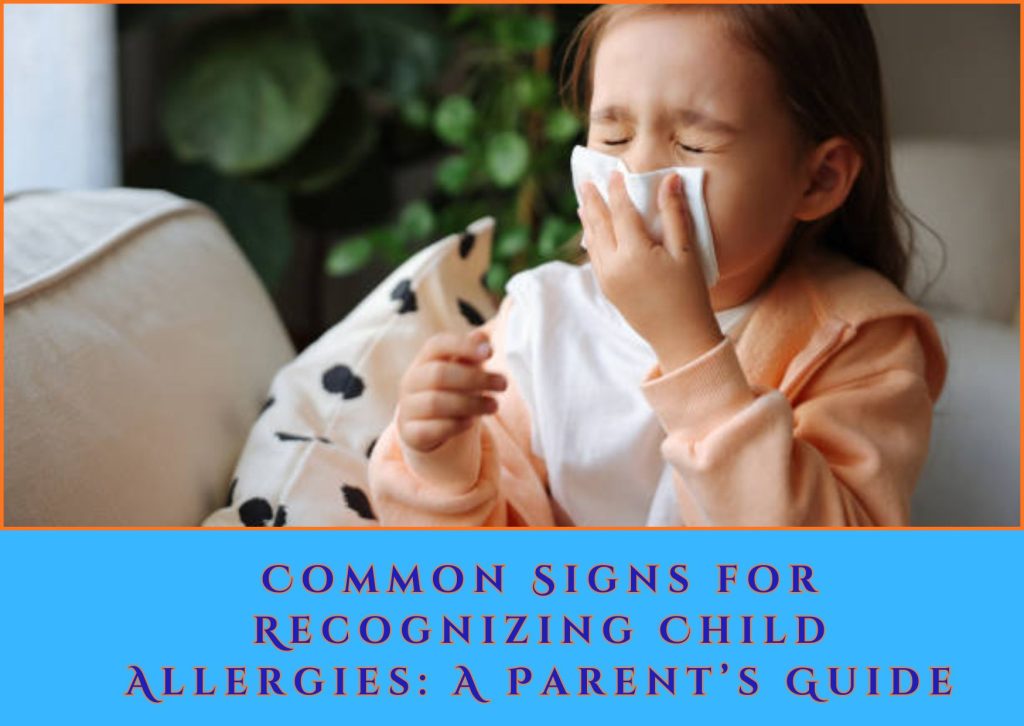
There is perhaps nothing more heart-wrenching for a parent than watching their child struggle with discomfort and not being able to pinpoint the cause. Whether it is a persistent runny nose, a mysterious rash after lunch, or sudden sneezing fits during a park visit, the uncertainty can be overwhelming. You want answers, and more importantly, you want your child to feel like themselves again.
When a child’s body reacts to the environment or food, it is often a sign that their immune system is on high alert. Essentially, an allergy occurs when the immune system overreacts to a typically harmless substance, such as pollen, pet dander, or certain foods. Because symptoms of allergies in children can mimic a common cold or a simple stomach bug, recognizing the subtle differences is the first step toward effective relief. At Mill Brook Pediatrics, we specialize in helping families navigate these challenges with clarity and expert care.
What Are the Most Common Child Allergies?
Allergies are not “one size fits all.” They can be triggered by substances that are ingested, inhaled, or even just touched. Understanding the common child allergies that affect most families is essential for early detection and management.
Environmental and Seasonal Allergens
These are often referred to as “hay fever” or seasonal allergies. They typically flare up when certain plants are in bloom or when indoor air quality is compromised.
Pollen: This includes microscopic grains from trees (spring), grasses (summer), and weeds like ragweed (fall).
Dust Mites: Tiny organisms that live in household dust, upholstery, and bedding.
Mold: Found in damp areas like basements, bathrooms, or even piles of wet leaves outside.
Pet Dander: Proteins found in the skin flakes, saliva, or urine of furry pets like dogs and cats.
Food Allergens
Food-related reactions can range from mild to severe and usually appear shortly after eating. While many foods can trigger a reaction, the vast majority of common child allergies are caused by a specific group of “Top 8” culprits:
Cow’s Milk: One of the most common triggers in infants and toddlers.
Eggs: Frequently outgrown, but a major trigger for young children.
Peanuts and Tree Nuts: Often associated with more persistent and severe reactions.
Soy and Wheat: Common in many processed foods, making them difficult to avoid without professional guidance.
Fish and Shellfish: These allergies often develop later in childhood or adulthood.
Other Common Allergens
Insect Stings: Bees, wasps, and hornets can cause localized swelling or systemic reactions.
Medications: Certain antibiotics (like penicillin) or over-the-counter medications can trigger allergic responses in sensitive children.
How to Identify Symptoms of Allergies in Children
The difficulty in diagnosing allergies lies in their variety. Children’s allergy symptoms can manifest in the respiratory system, on the skin, or within the digestive tract. The severity and type of symptom often depend on the child’s age and the specific allergen involved.
Respiratory and Nasal Symptoms (Allergic Rhinitis)
If your child seems to have a “permanent cold,” it may actually be allergic rhinitis. Common signs include:
Chronic Sneezing: Frequent, repetitive sneezing.
Congestion: A stuffy or runny nose with clear, thin nasal discharge.
The “Allergic Salute”: You may notice your child constantly rubbing their nose in an upward motion with the palm of their hand to relieve itching.
“Allergic Shiners”: Dark, bluish circles under the eyes caused by increased blood flow and pressure in the nasal passages.
Skin Reactions
The skin is often the first place an allergy becomes visible. Look for:
Hives (Urticaria): Red, itchy, raised welts that can appear anywhere on the body.
Eczema (Atopic Dermatitis): Dry, scaly, and intensely itchy patches of skin, often found in the creases of elbows or behind the knees.
Contact Dermatitis: A localized rash that appears after the skin touches a specific substance, like a certain detergent or nickel in jewelry.
Gastrointestinal Issues
Usually associated with food, these symptoms of allergies in children can be mistaken for a stomach virus:
Stomach Cramping and Pain: Sudden discomfort after meals.
Nausea and Vomiting: Recurring bouts of sickness shortly after ingestion.
Diarrhea: Chronic loose stools can sometimes be a sign of a persistent food sensitivity.
Eye Symptoms (Allergic Conjunctivitis)
The eyes are highly sensitive to airborne allergens. Watch for:
Redness and irritation.
Watery discharge that is clear rather than yellow or green.
Persistent itching that leads the child to rub their eyes frequently.
Allergy vs. Cold: How Can Parents Tell the Difference?
One of the most frequent questions we hear at Mill Brook Pediatrics is, “Is it a cold, or is it allergies?” Distinguishing between the two is vital for providing the right treatment.
Feature | Common Cold | Allergies |
Duration | Typically lasts 7 to 10 days. | Lasts weeks or as long as the allergen is present. |
Nasal Discharge | May start clear, but often becomes thick and yellow/green. | Stays thin, watery, and clear. |
Fever | Often accompanied by a low-grade fever. | Never causes a fever. |
Itching | Rarely causes itching. | Frequent itching of the nose, eyes, and throat. |
Onset of Symptoms | Symptoms develop one by one over a day or two. | Symptoms often hit all at once upon exposure. |
Recognizing Severe Allergic Reactions (Anaphylaxis)
While most allergies are manageable, some can escalate into a life-threatening medical emergency known as anaphylaxis. This is a systemic reaction that requires immediate intervention.
Warning Signs of Anaphylaxis Include:
Swelling of the lips, tongue, or throat.
Difficulty breathing or audible wheezing.
A sudden drop in blood pressure, leading to dizziness or fainting.
A rapid or weak pulse.
Widespread hives and a sense of “impending doom.”
If your child exhibits these signs, use an epinephrine auto-injector (such as an EpiPen) immediately if one has been prescribed, and call 911 right away. Following any severe reaction, a follow-up with Mill Brook Pediatrics is essential to adjust your child’s allergy action plan.
How Mill Brook Pediatrics Can Help Manage Your Child’s Allergies
Managing allergies is a journey, but you don’t have to walk it alone. At Mill Brook Pediatrics, we combine medical expertise with a compassionate, family-centered approach to ensure your child lives a comfortable, active life.
Our diagnostic process is thorough and tailored to your child’s needs. We offer:
Detailed Medical History: We listen to your observations to identify patterns.
Skin Prick Testing: A safe, quick way to identify environmental and food triggers.
Blood Tests (IgE): Used to measure the immune system’s response to specific allergens.
Elimination Diets: Guided protocols to safely identify food sensitivities.
The team at Mill Brook Pediatrics is dedicated to creating a customized allergy action plan that works for your family’s lifestyle, whether that involves environmental changes, medication management, or school-based accommodations.
Frequently Asked Questions (FAQs)
Q: Can children outgrow their allergies?
A: Yes, many children outgrow certain food allergies, particularly milk, egg, and soy, as their digestive and immune systems mature. However, allergies to peanuts, tree nuts, fish, and environmental triggers like pollen are often lifelong. Regular check-ups with your pediatrician can help track these changes.
Q: At what age do seasonal allergies usually start in kids?
A: It is rare to see seasonal allergies in infants. Typically, common child allergies related to pollen or mold don’t develop until a child is at least 2 to 3 years old. This is because the body usually needs a few seasons of exposure to an allergen before the immune system decides to react to it.
Q: How can I treat my child’s allergy symptoms at home?
A: For mild cases, over-the-counter antihistamines or saline nasal rinses can provide temporary relief. However, because children allergies symptoms can overlap with other conditions, it is always best to consult with Mill Brook Pediatrics first. We can ensure the correct diagnosis, provide proper dosage instructions, and help you avoid medications that might cause unwanted drowsiness in your child.

0 Comments