
It’s 2 AM. Your baby, who slept fine last week, is screaming. The crib sheet is soaked in drool, nothing helps, and you’re googling symptoms with one eye closed.
You’re probably not missing anything serious. A tooth is likely coming through.
Teething isn’t a single event that ends with the first tooth. It starts as early as 4 months and runs until around age 3—then the back molars arrive in the preschool years for a second round, most parents don’t see coming. Catching teething toddler symptoms early saves a lot of unnecessary pain.
At Mill Brook Pediatrics, we walk Sudbury families through this milestone regularly. Here’s what to actually watch for.
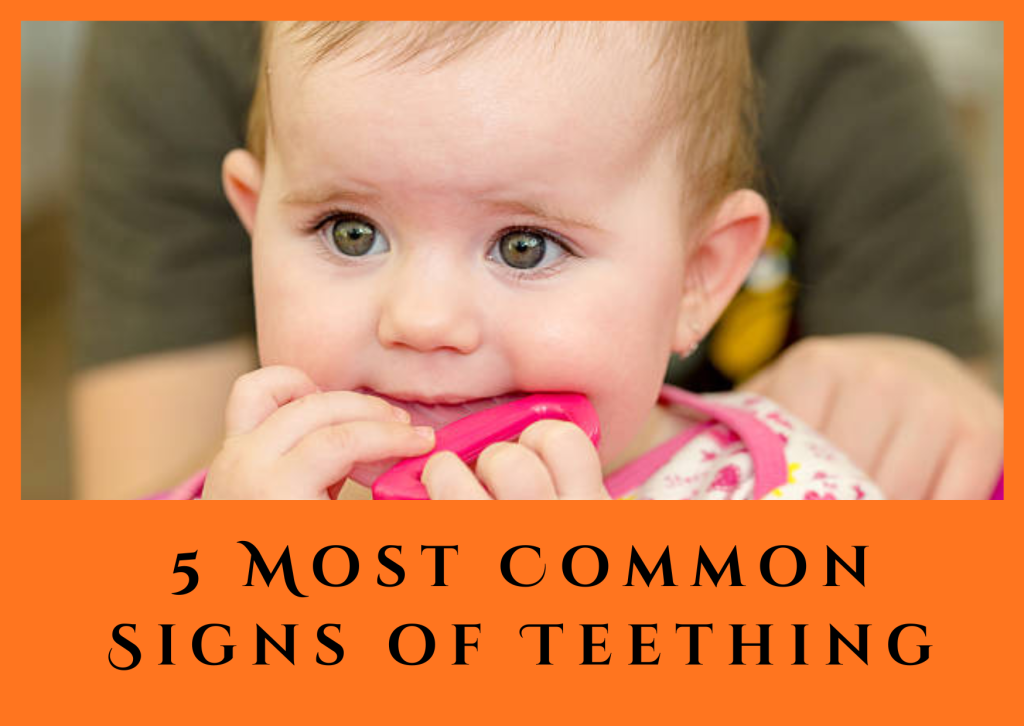
The 5 Most Common Signs of Teething
Some babies handle tooth eruption without much fuss. Others make it very clear that something is wrong. Either way, these five signs show up consistently.
1. Irritability and Increased Crying
A new tooth pushes through dense, sensitive gum tissue to break the surface. That creates a dull, persistent ache—similar to the soreness after dental work. Your child can’t explain what hurts, so they cry.
What makes it confusing is how inconsistent it is. A baby can be fine in the morning, miserable by afternoon, and calm again at dinner — all because the tooth shifted slightly in the gum. Out-of-character fussiness with no obvious cause is one of the clearest signs of teething that parents learn to recognize over time.
2. Excessive Drooling and Facial Rashes
Teething triggers extra saliva production. A lot of it.
The drooling itself isn’t the problem. The problem is when that saliva sits on the chin, neck, and chest for hours. It breaks down the skin and causes a red, raw rash that’s genuinely uncomfortable—separate from the teething pain.
Keep a bib on during the day, change it when it’s damp, and wipe the chin gently (don’t rub). A thin layer of unscented barrier cream at night helps protect the skin.
3. Biting, Chewing, and Gnawing on Everything
Your baby isn’t acting out. This is self-medication.
Applying counter-pressure to swollen gums temporarily relieves the ache. That’s why teething children bite down on anything within reach—your shoulder, the crib rail, the TV remote. Give them something safe to chew on instead. More on that below.
4. Disrupted Sleep and Eating Patterns
Two things take a real hit when teeth come in: naps and meals.
Swollen gums make sucking and chewing uncomfortable. A baby who normally eats well might refuse the breast or bottle. A toddler who eats everything might suddenly push away their food. This often looks like a feeding problem when it’s actually a mouth problem.
Sleep suffers for the same reason. The low-grade ache that’s manageable during the day is harder to ignore at night when there’s nothing else to focus on. Expect disrupted naps and a few rough nights per tooth.
5. Ear Pulling and Cheek Rubbing
This one trips up a lot of parents because it looks exactly like an ear infection.
The gums, ears, and cheeks share nerve pathways. When the gums hurt, that pain radiates outward — and toddlers instinctively rub or tug at the area. If your child is pulling at their ear but has no fever, no discharge, and no other signs of illness, a tooth coming through is more likely than an infection.
That said, if the ear pulling lasts more than a few days or comes with a real fever (above 100.4°F), get it checked. Teething and ear infections can happen simultaneously.
What Do Gums Look Like When Teething?
Parents often want to see something before they’re convinced.
If you’re asking what gums look like when teething, use a clean finger or a small flashlight and press gently along the gum line. A tooth is on its way if you see the following:
- Red, swollen, or raised gum tissue—the area looks puffy and feels firm
- A slight bluish or purplish tint — this is an eruption cyst. It looks alarming, but it almost always resolves on its own
- A faint white ridge just under the surface — that’s the tooth edge. Once you see this, it typically breaks through within a few days
Some teeth give a lot of warning. Others seem to appear overnight.
Molars: The Teething That Catches Parents Off Guard
Most parents assume teething wraps up around age 2. It doesn’t.
The signs of toddler teething molars tend to be more intense than infant teething. Molars are wider and flatter than front teeth, which means more surface area pushing through at once. The jaw soreness is real, and children this age still can’t fully explain where it hurts.
First molars generally arrive between 13 and 19 months. You’ll likely see the same classic symptoms return—drooling, fussiness, and disrupted sleep—plus some new ones: chewing on fingers specifically at the back of the mouth, refusing crunchy foods, and rubbing the jaw.
Second molars typically come in between 23 and 33 months, but timing varies a lot. Some children’s two-year molars arrive closer to 3, and it’s not uncommon to see 4-year-old teething molars’ symptoms in a child who’s simply on a later eruption schedule. A delayed tooth isn’t automatically a problem — children develop at different rates.
Preschoolers can actually tell you what hurts, which makes this stage easier to manage. Ask them to point to the sore spot. Most will press on the back of their jaw and say exactly where.
Home Remedies That Work
Nothing complicated here. The most effective teething relief is also the simplest.
Chilled teething rings or toys — refrigerator cold, not freezer cold. A frozen ring is too hard and can damage tender gum tissue. Cold reduces inflammation; freezing creates a different problem.
A cool, damp washcloth—fold it into a small roll and let your baby chew on it. The texture provides counter-pressure, and the temperature soothes the gum.
Children’s pain reliever on difficult days — if your child is clearly in pain and can’t sleep, age-appropriate ibuprofen or acetaminophen is appropriate and safe. Use the dosing chart based on current weight, not age.
Amber teething necklaces: skip them entirely. There’s no clinical evidence that they relieve teething pain. The American Academy of Pediatrics warns against them specifically because they pose real strangulation and choking risks. No possible benefit is worth that.
When to Call the Pediatrician
Teething causes gum soreness, drooling, and irritability. It does not cause high fever, diarrhea, or significant vomiting. A temperature above 100.4°F is not teething — something else is happening, and it needs to be evaluated.
Other reasons to call: no teeth at all by 18 months, a tooth that seems significantly delayed compared to what you’d expect, or an eruption cyst that doesn’t resolve within a few weeks.
Mill Brook Pediatrics is currently welcoming new pediatric patients in Sudbury, MA, and surrounding communities. If you’re trying to figure out whether what you’re seeing is normal teething or something worth checking, that’s a reasonable question to bring to us. A pediatrician’s new patient appointment is the right starting point — and it’s much better than a 2 AM internet spiral.
Teething is uncomfortable for your child and exhausting for you. Knowing what’s normal makes it easier to handle, and knowing when something’s off gives you a reason to pick up the phone.

0 Comments